
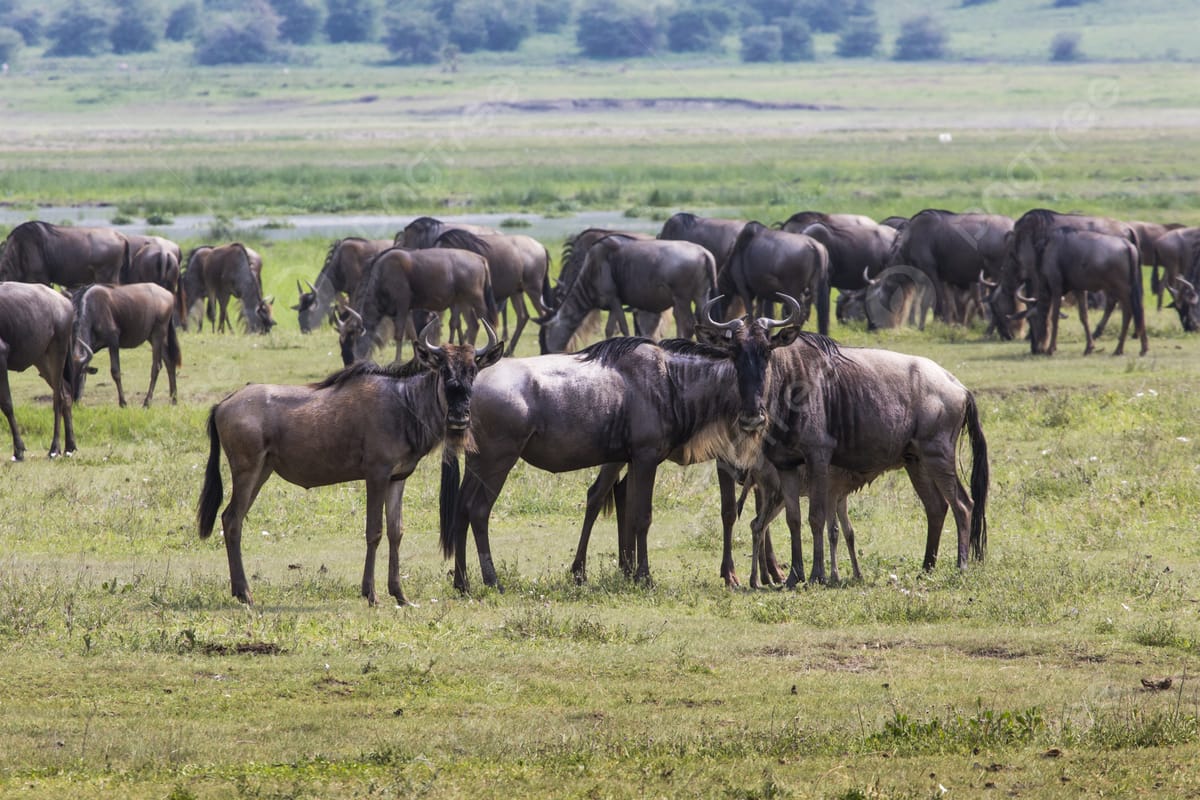
What Is the Great Wildebeest Migration?
The Great Wildebeest Migration is the largest overland wildlife migration remaining on Earth: more than 1.5 million blue wildebeest, around 250,000–300,000 zebras, over 500,000 Thomson's and Grant's gazelles, and thousands of elands travel an estimated 800–1,000 km every year through the Serengeti–Mara ecosystem. Unlike birds on a fixed schedule, these animals move in response to rainfall, fresh grass, and water availability, driven by one instinct: survival.
An Ecosystem in Motion
As rains fall across different regions of East Africa, new grass grows and the herds instinctively follow it, closely tracked by lions, cheetahs, leopards, hyenas, crocodiles, and African wild dogs. There are no fences and no human intervention directing the herds , every decision is guided by instinct and the constant balance between opportunity and danger, which is why no two safaris are ever the same, even for repeat visitors to the Mara.
Why Timing Matters
At Loise Adventures, we believe every safari should match the traveler's interests rather than a one-size-fits-all itinerary. Some visitors dream of crocodile-filled river crossings, others prefer the calving season's quieter family moments, and photographers may want dramatic predator interactions. Understanding the migration cycle is one of the most important steps in planning an unforgettable Kenyan safari.
Continue reading